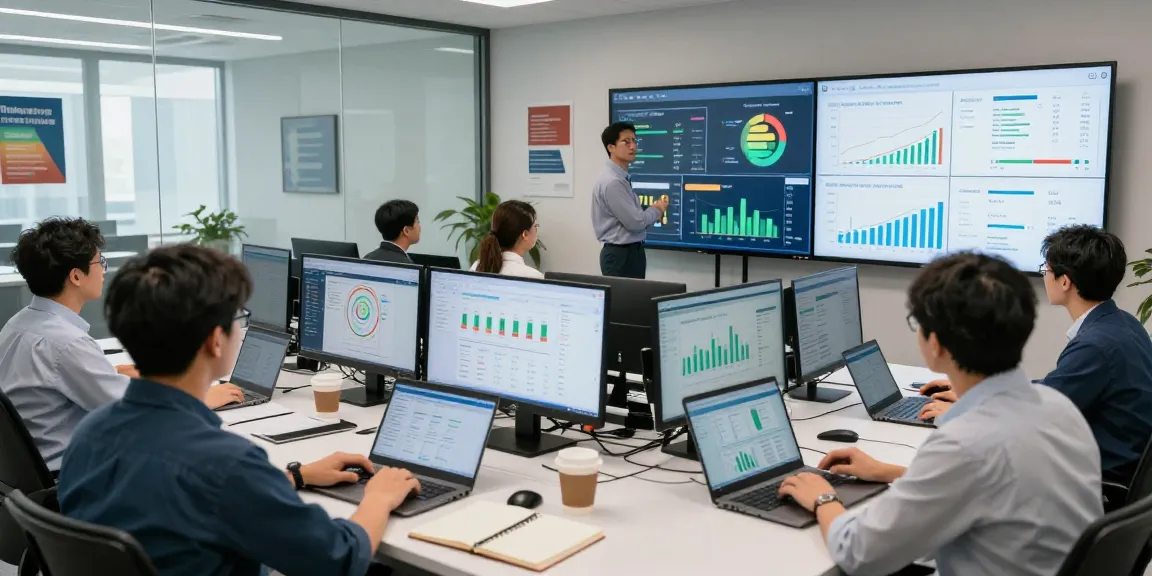
Understanding Multi Site Business Energy Management
As businesses grow and expand across multiple locations, managing energy consumption efficiently becomes critical. Multi site business energy management involves overseeing energy use in various settings, enabling companies to optimize their energy costs, increase sustainability, and improve operational efficiency. In a landscape driven by increasing energy costs and environmental regulations, businesses can’t afford to overlook the potential benefits of implementing sophisticated energy management solutions. When exploring options, multi site business energy management provides comprehensive insights into the multitude of strategies, technologies, and practices that can help organizations thrive in this complex environment.
What is Multi Site Business Energy Management?
Multi site business energy management refers to the systematic approach of monitoring, controlling, and optimizing energy consumption across various properties or operational sites. This method not only focuses on reducing energy waste but also aims to align energy usage with the company’s sustainability goals. By implementing a centralized energy management system, organizations can leverage data analytics to gain insights into their energy consumption patterns, identify inefficiencies, and develop strategies that lead to smarter energy use.
Importance of Energy Efficiency Across Multiple Locations
The importance of energy efficiency in multi-site operations cannot be overstated. With rising energy prices, businesses are increasingly pressured to find cost-effective solutions for their energy needs. Efficient energy management can contribute to significant cost savings, which can ultimately enhance profit margins. Additionally, as customers are becoming more environmentally conscious, adopting energy-efficient practices can improve a company’s public image and strengthen its market competitiveness. Furthermore, energy efficiency initiatives often lead to reduced carbon footprints, aligning with the global mandate for greater corporate responsibility.
Current Trends in Energy Management Solutions for 2026
As we approach 2026, various trends are shaping the energy management landscape. Technologies such as advanced metering infrastructure (AMI) and the Internet of Things (IoT) are paving the way for more intelligent energy management systems. These innovations help businesses automate energy monitoring and consumption analysis, thereby enhancing energy efficiency. Moreover, renewable energy sources are gaining traction, with companies increasingly integrating solar panels and wind energy into their power supply models. This shift not only helps in reducing energy costs but also aligns with sustainability objectives.
Challenges in Multi Site Energy Management
Common Obstacles in Implementing Energy Management Systems
Despite the clear benefits of energy management, businesses often encounter several challenges during implementation. One common obstacle is the complexity of integrating energy management systems across various locations, especially if those sites operate under different operational protocols. Additionally, the lack of standardized energy usage data can hinder the ability to track performance accurately. Moreover, resistance to change from staff and management can impede new energy initiatives.
Misconceptions About Multi Site Energy Management
There are several misconceptions surrounding multi-site energy management. One prevalent myth is that such systems are only suitable for large corporations with extensive resource commitments. In reality, businesses of all sizes can benefit from energy management, tailoring solutions to fit their specific needs and budgets. Another misconception is that energy management requires significant upfront investment, whereas many solutions can yield quick returns on investment through energy cost reductions.
Regulatory Considerations for Energy Management in 2026
Staying compliant with energy regulations is vital for businesses managing multiple sites. As governments increasingly enforce energy efficiency measures, compliance requirements will likely become more stringent. Companies will need to keep abreast of legislation and standards related to energy usage, emissions, and reporting. Failure to comply can result in hefty fines and reputational damage, making it essential for multi-site businesses to prioritize regulatory adherence in their energy management strategies.
Effective Strategies for Multi Site Energy Management
Best Practices in Energy Monitoring and Reporting
To effectively manage energy across multiple sites, businesses should adopt best practices in monitoring and reporting. The implementation of a centralized energy management system can provide real-time data on energy consumption, enabling organizations to identify trends, inefficiencies, and areas for improvement. Regular energy audits and usage assessments are also crucial for maintaining optimal energy practices and ensuring compliance with regulations. By facilitating transparent reporting, businesses can create accountability across all sites and motivate staff to engage in energy-saving practices.
Integrating Renewable Energy Sources into Multi Site Operations
Incorporating renewable energy sources is a key strategy for achieving energy efficiency. Many multi-site businesses are investing in solar panels, wind turbines, or biomass solutions to supplement their energy needs. These renewable sources can significantly reduce reliance on fossil fuels and lower overall energy costs. Additionally, green energy initiatives can enhance a company’s reputation and appeal to eco-conscious consumers.
Leveraging Technology for Improved Energy Management
Modern technology plays a pivotal role in optimizing energy management across multiple sites. Utilizing smart meters and IoT devices allows for real-time monitoring and control of energy usage. Advanced data analytics can help businesses make informed decisions on energy consumption patterns, identifying when and where energy can be conserved. Furthermore, machine learning algorithms can be applied to predict future energy needs, enabling organizations to adjust their strategies accordingly.
Case Studies: Successful Multi Site Energy Management Implementations
Real-World Examples of Energy Efficiency in Multi Site Operations
Examining successful case studies can provide valuable insights into effective energy management strategies. For instance, a nationwide retail chain implemented a centralized energy management system across its 200 locations, resulting in a 25% reduction in energy costs within the first year. By using data analytics to optimize HVAC systems and lighting, the retailer not only achieved significant savings but also improved employee satisfaction due to enhanced working conditions.
Lessons Learned from Multi Site Energy Management Projects
Each multi-site energy management project presents unique challenges and lessons. One significant takeaway is the importance of leadership support in driving energy initiatives. When management prioritizes energy efficiency, staff are more likely to embrace changes. Another lesson is the necessity of flexibility in energy strategies, as what works for one location may not be suitable for another. Tailoring solutions to address the specific needs of each site can lead to greater success.
Quantifying Returns on Investment in Energy Management Solutions
Calculating the ROI of energy management solutions is essential for justifying expenditures. Companies should track both direct and indirect savings resulting from energy efficiency measures. Direct savings come from reduced energy bills, while indirect savings might arise from decreased maintenance costs, increased employee productivity, and enhanced brand reputation. Establishing clear KPIs can help organizations measure the success of their energy management strategies accurately.
Looking Ahead: The Future of Multi Site Energy Management
Predicted Trends in Energy Management Technology for 2026
As we look towards 2026, emerging technologies are expected to reshape multi-site energy management. Artificial Intelligence (AI) and machine learning will increasingly be integrated into energy management systems, providing advanced predictive capabilities and automating many energy-saving processes. Furthermore, the adoption of blockchain technology could enhance transparency in energy transactions, allowing for more efficient energy trading among multi-site businesses.
The Role of AI and Big Data in Energy Efficiency
AI and big data will play a crucial role in enhancing energy management practices. The ability to analyze vast amounts of data in real-time will enable businesses to make more informed decisions about energy usage. Predictive analytics will allow companies to anticipate equipment failures before they occur, reducing downtime and maintenance costs. Furthermore, AI-driven insights can help businesses adapt their energy strategies proactively, ensuring they remain competitive.
Preparing for Future Regulations and Standards in Energy Management
As the regulatory landscape evolves, multi-site businesses must remain prepared for upcoming changes in energy management standards. Staying informed about new legislation and proactively adapting to increased energy efficiency requirements will be crucial. Companies should invest in training and resources to ensure their teams are well-versed in compliance issues, helping to minimize risk and maximize operational efficiency.
What are the key benefits of multi site business energy management?
Multi-site business energy management offers numerous benefits, including cost savings, improved operational efficiency, compliance with environmental regulations, and enhanced corporate reputation. By optimizing energy usage, businesses can reduce their operational costs and invest the savings into further improvements.
How can businesses effectively reduce energy costs across multiple sites?
Businesses can effectively reduce energy costs by implementing a centralized energy management system, conducting regular energy audits, and integrating renewable energy sources. Additionally, fostering a culture of energy awareness among staff can lead to collective savings.
What technologies are most effective for multi site energy management?
Technologies such as IoT devices, smart meters, and energy management software are highly effective for multi-site energy management. These tools allow for real-time monitoring, control, and optimization of energy consumption.
How does energy management contribute to sustainability goals?
Effective energy management directly contributes to sustainability goals by reducing carbon footprints and promoting the use of renewable sources. By being conscientious about energy consumption, businesses can align their operations with global sustainability initiatives.
What metrics should businesses track for energy performance?
Businesses should track metrics such as energy consumption per square foot, cost savings from energy initiatives, and overall carbon emissions. These metrics can provide insights into the effectiveness of energy management strategies and help drive continuous improvement.