Understanding the Role of Measured Building Surveyors
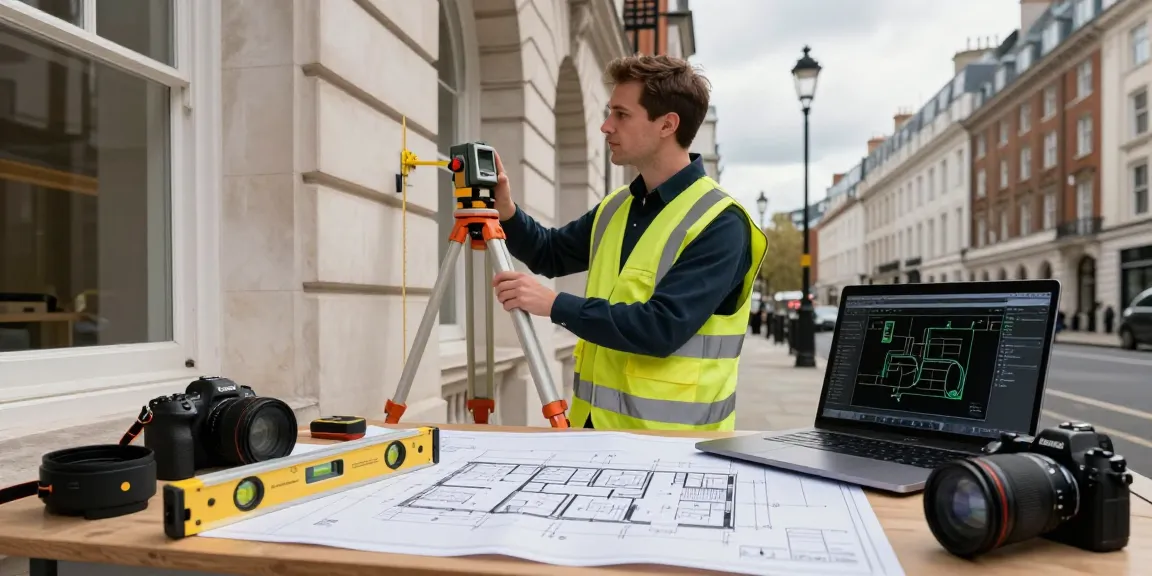
Measured building surveyors play a crucial role in the construction and architectural industries by providing precise data about existing structures. Their expertise is essential for facilitating renovations, extensions, and new builds, ensuring projects proceed with accurate information about the physical properties involved. When exploring options, measured building surveyors offer comprehensive insights into the layout and dimensions of buildings, which helps inform design decisions and compliance with regulations.
What is a Measured Building Survey?
A measured building survey is a detailed examination of a property, capturing its dimensions, layout, and features in a systematic way. This process typically involves the creation of floor plans, sections, and elevations, all documented with a high level of accuracy. The surveys are crucial for architects, engineers, and property developers, providing the foundational data required for any subsequent work on the property.
Key Responsibilities of Measured Building Surveyors
Measured building surveyors have several responsibilities that ensure the precision and quality of their work:
- Data Collection: Conducting on-site measurements and capturing detailed information about the property’s structure and condition.
- Documentation: Creating comprehensive drawings and models that reflect the current state of the building.
- Client Consultation: Working closely with clients to understand their needs and provide tailored surveying solutions.
- Compliance Checking: Ensuring that all surveys meet local building regulations and standards.
Benefits of Hiring Professional Surveyors
Engaging professional measured building surveyors provides several advantages:
- Accuracy: Their skills and tools ensure the precision of the data collected, which is vital for any construction project.
- Time Efficiency: Professionals can conduct surveys more quickly than untrained individuals, allowing projects to proceed without unnecessary delays.
- Risk Mitigation: Proper surveying reduces the risk of errors that can lead to costly mistakes during construction.
Common Challenges Faced in Measured Building Surveys
Misconceptions about Surveying Processes
One common misconception about measured building surveys is that they are merely a formality. However, professional surveying involves complex processes that require a deep understanding of building structures and regulations. Misunderstanding the necessity and nuances of these surveys can cause project delays and budget overruns if not adequately addressed.
Dealing with Complex Property Layouts
Many properties feature irregular shapes, varying floor heights, or numerous extensions. These complexities can make surveying particularly challenging, as accurate measurements are crucial for effective planning and design. Experienced surveyors employ advanced technologies, such as 3D laser scanning, to overcome these challenges and ensure precise data collection, even in difficult conditions.
Technological Limitations in Surveying
While technology plays a significant role in modern surveying, there are still limitations. Not all areas can be easily accessed with the equipment used, which may lead to incomplete data. Surveyors must often find innovative solutions to these technological constraints, balancing the benefits of advanced tools with the realities of the physical environment.
Best Practices for Effective Measured Building Surveys
Choosing the Right Surveying Technology
The choice of technology can significantly impact the quality of survey results. Surveyors should be well-versed in the latest measurement tools and software to ensure they can deliver the most accurate data possible. For instance, using drone surveys can provide aerial views and allow for quicker assessments of larger properties.
What to Look for in a Surveyor
Selecting the right measured building surveyor is crucial for successful project outcomes. Key factors to consider include:
- Experience: Look for surveyors with a robust portfolio in your specific property type.
- Certifications: Ensure they hold relevant qualifications and accreditations.
- Technology Proficiency: They should be adept with the latest surveying technologies for best results.
Ensuring Compliance and Accuracy
Compliance with local building regulations is non-negotiable. Professional surveyors must stay updated on changes to legislation and standards, ensuring all surveys meet or exceed these requirements. This diligence not only protects clients from legal repercussions but also upholds the integrity of the surveying profession.
Real-World Applications of Measured Building Surveys
Case Studies: Successful Projects in London
Measured building surveys have been pivotal in numerous successful projects across London. For example, in the refurbishment of historical buildings, accurate surveys helped architects maintain the integrity of the original structure while updating the facilities to modern standards. Other projects benefit from precise data that informs planning and design, contributing to smoother workflows and better outcomes.
Impact on Property Development and Architecture
The insights gained from measured building surveys can significantly influence property development and architectural design. By providing a clear understanding of existing conditions, survey results allow architects and engineers to create designs that harmonise with the landscape and adhere to functional requirements.
Collaboration with Architects and Engineers
Effective collaboration between measured building surveyors, architects, and engineers is crucial for project success. Surveyors provide the necessary data that architects need to develop accurate designs, while engineers rely on precise measurements to ensure structural integrity. This collaborative approach not only enhances project efficiency but also fosters innovation in design solutions.
Future Trends for Measured Building Surveyors in 2026
Emerging Technologies in Surveying
As we look towards 2026, emerging technologies such as augmented reality (AR) and artificial intelligence (AI) are set to transform the field of measured building surveying. AR can provide real-time overlays of existing structures onto digital models, enhancing visualisation and planning efforts, while AI can streamline data processing and analysis, increasing efficiency.
Shifts in Market Demand and Client Expectations
The demand for measured building surveyors is expected to grow as clients increasingly seek precise data to inform their projects. With a stronger emphasis on sustainability and compliance, surveyors will need to adapt to these evolving expectations, offering more comprehensive services that align with modern construction practices.
Preparing for Regulatory Changes in Surveying Practices
As regulations surrounding construction and sustainability continue to evolve, measured building surveyors must stay abreast of these changes. Regular training and professional development will be essential for surveyors to ensure that they remain compliant and can provide accurate, up-to-date services.
What are the typical costs associated with measured building surveys?
The costs of measured building surveys can vary widely based on factors such as the size of the property, the complexity of the survey, and the region in which the survey is conducted. Generally, larger and more complex properties will require more time and resources, leading to higher costs. Clients should seek detailed quotes from multiple surveying firms to better understand pricing structures.
How long does a measured building survey take?
The duration of a measured building survey depends on various factors, including property size and complexity. Small residential surveys may take a day or two, while larger commercial or industrial properties could take several days to complete. Surveyors should provide an estimated timeline during the initial consultation to help clients plan effectively.
What inaccuracies can arise during a survey?
Inaccuracies in measured building surveys can arise from several sources, including human error, equipment limitations, and environmental factors such as poor visibility or access constraints. To mitigate these risks, it is essential for surveyors to adhere to best practices and employ robust quality assurance measures throughout the surveying process.
Are measured building surveys necessary for renovations?
Measured building surveys are often crucial for renovations, as they provide the necessary information about existing conditions. This data helps avoid costly mistakes and ensures that any new work integrates seamlessly with the existing structure. Without accurate surveys, renovation projects risk being misaligned with current building codes or design goals.
How do you choose the right measured building surveyor?
Choosing the right measured building surveyor involves conducting thorough research. Look for surveyors with relevant experience, strong qualifications, and positive client reviews. Additionally, consider their familiarity with local regulations and their technological capabilities to ensure they can meet your specific project needs efficiently.