
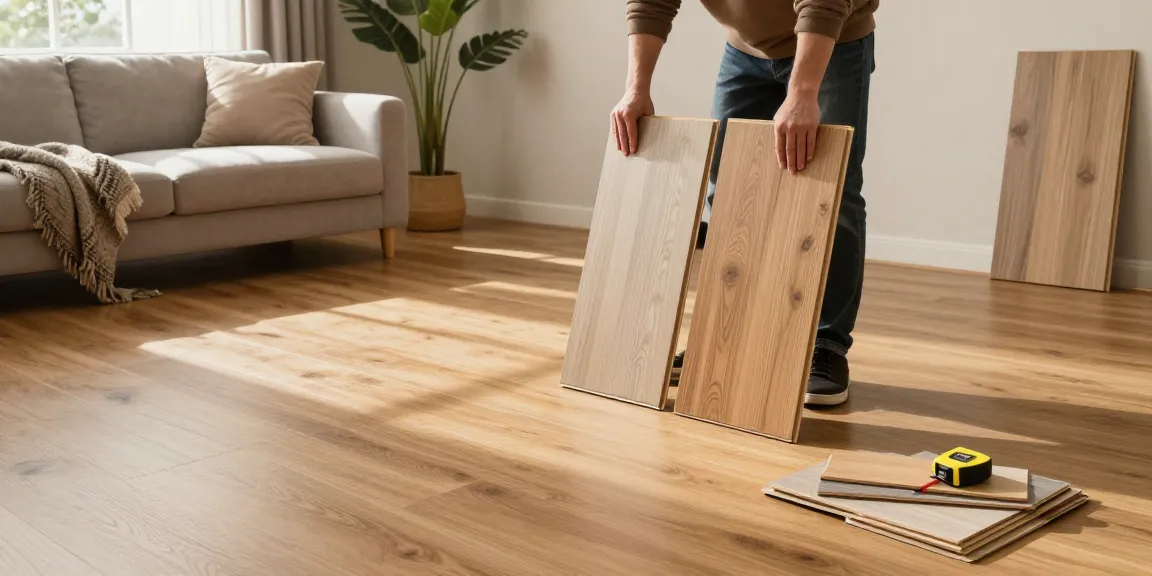
Understanding Laminate and Engineered Wood Flooring
Choosing the right flooring is a pivotal decision for UK homeowners, and the debate between laminate and engineered wood flooring is often at the forefront of these choices. When exploring options, compare laminate and engineered flooring to determine which fits your needs better. Each material has its own distinct features, benefits, and drawbacks, making them suitable for different lifestyles and preferences. This buyer’s guide will delve into the specifics of each flooring type, providing clear insights to help you make an informed choice.
What is Laminate Flooring?
Laminate flooring is a synthetic product made from layers of compressed fibreboard, topped with a high-resolution image of wood and a protective layer. This construction makes laminate flooring exceptionally durable and resistant to scratches, stains, and fading. It is often chosen for its affordability and ease of installation, often featuring a click-together system that is ideal for DIY installations. Furthermore, laminate flooring can mimic the appearance of various wood types, from oak to walnut, allowing homeowners to achieve the look they desire without breaking the bank.
What is Engineered Wood Flooring?
Engineered wood flooring consists of a layer of real hardwood on top of multiple layers of plywood, providing both a natural wood appearance and enhanced stability. Unlike solid hardwood, which can warp or buckle in response to moisture, engineered wood is designed to withstand fluctuations in humidity, making it suitable for various environments within the home. The wood veneer layer not only offers an authentic look but also contributes to a warmer feel underfoot compared to laminate options.
Core Differences Between Both Flooring Types
When comparing laminate and engineered wood, several key differences emerge:
- Construction: Laminate is primarily made of synthetic materials, while engineered wood comprises real hardwood and plywood.
- Durability: Laminate tends to be more scratch-resistant, while engineered wood can sustain damage but is easier to repair.
- Moisture Resistance: Engineered wood is generally more resistant to moisture than laminate, but the quality of the product plays a critical role.
- Cost: Laminate is usually the more budget-friendly option, while engineered wood is considered a long-term investment.
Pros and Cons of Laminate Flooring
Affordability and Maintenance
One of the primary advantages of laminate flooring is its affordability. Homeowners can achieve a high-end look without the associated costs of solid wood or high-quality engineered flooring. Additionally, laminate flooring is easy to maintain, requiring only regular sweeping and occasional damp mopping. Its resistance to stains and fading also means it retains its beauty over time with minimal effort.
Durability and Performance
Laminate flooring is renowned for its durability; it is highly resistant to scratches and dents, making it a perfect choice for high-traffic areas or homes with pets. Many modern laminate products also come with water-resistant properties, enhancing their utility in areas such as hallways and living rooms.
Design and Aesthetic Versatility
With a wide variety of styles and finishes available, laminate flooring offers exceptional design versatility. From vibrant colors to elegant wood grains, homeowners can find a laminate option that complements their existing décor. Furthermore, the innovative printing technology used in laminate production allows for a realistic wood appearance that can fool even the keenest eye.
Pros and Cons of Engineered Wood Flooring
Authenticity and Natural Appearance
Engineered wood flooring’s primary advantage lies in its authentic look and feel. The top layer of real hardwood provides the aesthetic appeal of solid wood, something that laminate cannot replicate. This authenticity makes engineered wood a popular choice among homeowners looking for a luxurious finish.
Installation Flexibility and Stability
Engineered wood floors can be installed over various subfloors, including concrete, without the need for extensive preparation. This flexibility allows for quick installations and the ability to adapt to a variety of spaces. Additionally, engineered wood is less likely to warp under moisture conditions than solid hardwood, making it more stable in humid environments.
Long-term Investment Considerations
Though engineered wood is often more expensive initially, it presents itself as a long-term investment. This type of flooring can last for decades if properly maintained, and it can also be sanded and refinished multiple times, unlike laminate flooring, which typically cannot be refinished.
Best Uses for Laminate and Engineered Wood Flooring
Ideal Rooms for Laminate Flooring
Laminate flooring shines in areas with heavy foot traffic, such as living rooms, hallways, and bedrooms. Its durability and ease of cleaning make it a practical choice for families and pet owners. However, it may not be the best option for bathrooms or laundry rooms where moisture is a concern.
Best Applications for Engineered Wood Flooring
Engineered wood flooring is perfect for spaces that demand a combination of style and stability. It can be effectively used in living rooms, dining areas, and even basements due to its moisture-resistant properties. Homeowners looking to enhance their home’s value often opt for engineered wood in areas viewed as high-impact, like open-plan spaces.
Kitchen and High-Moisture Area Considerations
When selecting flooring for kitchens, it’s crucial to consider moisture levels. Laminate is typically more resistant to spills and humidity, making it a practical choice for these high-use areas. However, if you prefer the look of engineered wood, ensure it is adequately sealed and maintain it regularly to protect against water damage.
Making the Right Choice: Laminate vs Engineered Wood
Assessing Your Budget and Lifestyle Needs
Your choice between laminate and engineered wood should begin with an assessment of your budget and lifestyle. If you require a cost-effective solution that is easy to install and maintain, laminate may be the best fit. Conversely, if your priority is a long-lasting, visually appealing floor that can withstand the rigors of life, engineered wood presents a compelling case.
Design Preferences and Style Cohesion
Consider how each flooring option will fit into your overall design scheme. Laminate provides an extensive range of styles, but if achieving an authentic wood aesthetic is critical to you, engineered wood will likely be the better choice. Balance your decor with the natural beauty of authentic wood versus the adaptability of laminate finishes.
Future Trends in Flooring Choices for 2026 and Beyond
As we look toward future trends, sustainability and eco-friendliness are becoming increasingly important considerations. Engineered wood flooring is often seen as a more sustainable option, utilizing less wood than solid hardwood while still providing a premium look. Laminate is also advancing with eco-friendly manufacturing processes, making it a viable choice for the environmentally conscious consumer.
What are the main differences between laminate and engineered wood?
The primary differences revolve around material construction, durability, moisture resistance, and overall cost. While laminate is more budget-friendly and resilient to scratches, engineered wood offers a premium aesthetic and better performance in moisture-prone areas.
Can laminate flooring be used in kitchens?
Yes, laminate flooring can be used in kitchens due to its resistance to spills and moisture, making it a suitable option provided it is properly sealed and maintained.
Is engineered wood flooring a good investment?
Absolutely. Engineered wood flooring, while more costly, provides long-term value due to its durability, repairability, and appeal, often resulting in a higher home resale value.
How do I maintain laminate and engineered wood flooring?
Laminate flooring maintenance is straightforward, requiring regular sweeping and occasional damp mopping. For engineered wood, cleaning should also include avoiding excess moisture and using wood-friendly cleaning solutions, with periodic refinishing to maintain its luster.
Which flooring option is more environmentally friendly?
Engineered wood flooring is generally considered more environmentally friendly than laminate due to its lower impact on natural resources. It uses less wood and often incorporates sustainable practices in its production, while laminate can be manufactured from non-renewable resources.
