Understanding Measured Building Surveys
In the complex world of construction and property development, precise measurements and thorough surveys are paramount to the success of any project. Measured building surveys play a critical role in providing accurate data about existing structures, whether for new developments, renovations, or restorations. With the right surveyors, property owners, architects, and developers can access essential insights that inform design decisions, regulatory compliance, and financial planning. When exploring options, Measured Building Survey London provides comprehensive insights into the features and benefits of conducting a measured survey.
What is a Measured Building Survey?
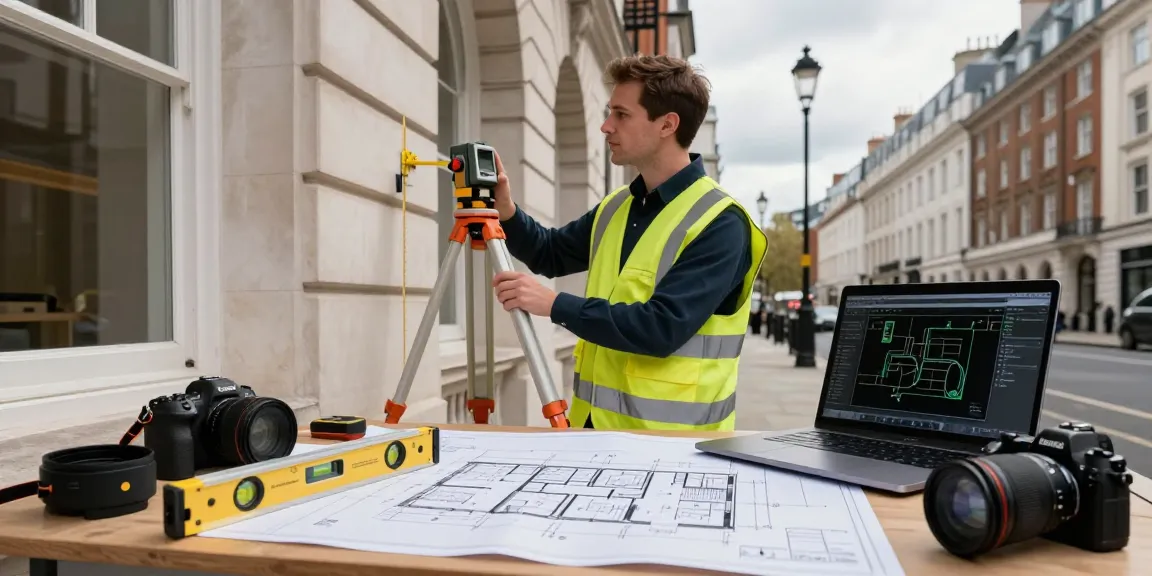
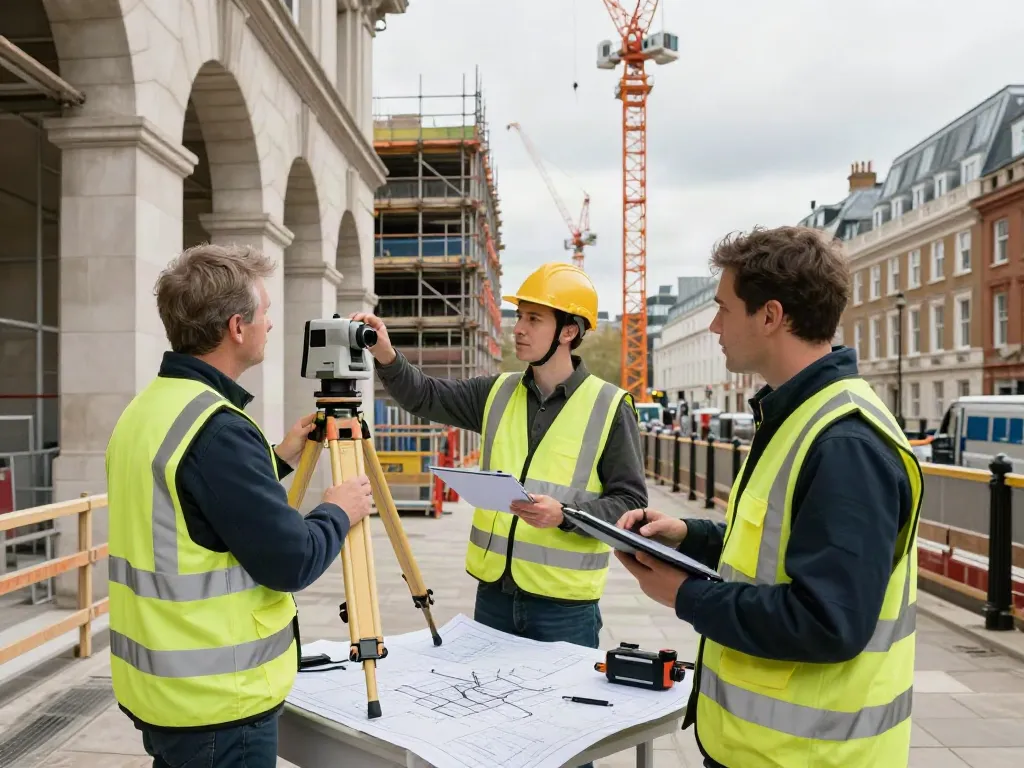
A measured building survey is a precise process that involves capturing the dimensions, shapes, and features of an existing building. Typically employing advanced technology such as laser scanning and total stations, surveyors gather data to create accurate floor plans, elevations, and sections of the structure. This information is invaluable, particularly for architects and designers who rely on accurate representations to plan alterations or new builds effectively.
Benefits of Measured Building Surveys for Real Estate
- Accurate Planning: Measured surveys provide architects and developers with the necessary information to design renovations or extensions without the risk of costly errors.
- Compliance with Regulations: Having detailed and accurate surveys is often a requirement for planning permissions and compliance with building regulations.
- Boosting Property Value: A well-documented building can enhance its marketability and resale value, making it an important asset for investors and property owners.
- Risk Mitigation: Comprehensive surveys help identify potential structural issues before they become critical, safeguarding investments and ensuring safety.
Common Techniques and Technologies Used
In the realm of measured building surveys, several technologies and techniques are commonly employed. Among them, 3D laser scanning has emerged as a leading method due to its ability to capture millions of data points in a short amount of time, resulting in highly accurate representations of buildings. Additionally, photogrammetry offers another innovative solution, enabling surveyors to create 3D models from photographs taken at various angles. Furthermore, traditional tools such as total stations and theodolites are still widely used, particularly in smaller projects where a high degree of precision is needed.
The Importance of Accurate Data
When it comes to construction and development, having access to accurate data is not just beneficial; it's essential. As projects become increasingly complex, relying on precise measurements is crucial for ensuring that all aspects of the build align correctly.
How Accuracy Impacts Project Planning
The accuracy of a measured survey directly affects project planning. When builders and architects have precise dimensions, they can create designs that fit the existing structure without costly alterations later. Any inaccuracies in measurements can lead to misalignments, increased costs, and significant delays during construction. Thus, investing in a quality measured building survey pays dividends by streamlining the entire planning and construction process.
Measuring Techniques for Precision
Precision is achieved through various measuring techniques integrated into the surveying process. Techniques such as trilateration and triangulation allow surveyors to determine the exact position of points by measuring distances and angles between them. Additionally, geodetic surveys are conducted to understand the Earth's shape and its gravitational field, further enhancing the accuracy of measurements obtained during building surveys.
Common Misconceptions About Measurement Accuracy
One common misconception is that all measuring methods yield equally accurate results. In reality, factors such as equipment calibration, environmental conditions, and the skill level of the surveyor significantly influence accuracy. Another misconception is that measured surveys are only necessary for large-scale projects. In truth, even small renovations can benefit greatly from the precision offered by a professional measured building survey.
Tailored Solutions for Different Sectors
Measured building surveys are not one-size-fits-all; different sectors require unique approaches tailored to their specific needs. Understanding these differences is vital for engaging the appropriate surveying services for your project.
Commercial Property Surveys Overview
For commercial properties, measured surveys can facilitate new developments, refurbishments, or compliance with corporate standards. These surveys often include detailed floor plans and elevations required for navigating complex commercial regulations, making them indispensable for business owners and developers alike.
Residential Surveys: What Homeowners Should Know
Homeowners benefit from measured building surveys in various ways. Whether planning a home extension or renovation, an accurate survey provides a clear representation of the existing space, allowing for seamless integration of new designs. Additionally, measured surveys can aid in planning permissions required for major alterations, ensuring compliance with local building codes.
Industrial and Heritage Property Surveys
Industries often face unique challenges with existing structures, especially when dealing with older or heritage properties. Measured surveys help document the condition of these buildings accurately, assisting in necessary repairs or restorations. For heritage properties, understanding the unique architectural features is vital for maintaining their historical integrity while allowing modern functionalities to be integrated.
Choosing the Right Measured Building Surveyor
Selecting the right surveyor can be a daunting task, given the critical role they play in any construction or renovation project. Here are some key factors to consider:
Key Qualities of a Professional Surveyor
- Experience: Look for surveyors with extensive experience in the specific type of project you are undertaking. Knowledge of local regulations and building practices is invaluable.
- Certifications: Ensure your surveyor holds relevant professional certifications or qualifications, such as RICS (Royal Institution of Chartered Surveyors).
- Technological Proficiency: A proficient surveyor should be familiar with the latest surveying technologies and methods.
- Client Testimonials: Review feedback from previous clients to gauge the surveyor's reliability and service standards.
Questions to Ask Before Hiring
Before you engage a surveyor, ask questions that probe their expertise and understanding of your project needs. Consider inquiries like:
- What kind of projects have you conducted similar surveys for?
- How do you ensure accuracy in your measurements?
- What is included in your survey report?
- Can you provide references or case studies?
Understanding Fees and Budgeting for Surveys
The cost of measured building surveys can vary significantly based on the complexity of the project, the size of the property, and the technologies employed. It's essential to discuss fees upfront and understand what services are included. A transparent pricing structure ensures you can budget effectively for your project.
Future Trends in Measured Building Surveys
The surveying industry is evolving rapidly, with technological advancements continuously reshaping how surveys are conducted. Keeping abreast of these innovations is crucial for both surveyors and clients alike.
Technological Innovations for 2026 and Beyond
As we look toward 2026, several technologies are anticipated to revolutionize the surveying landscape. Machine learning and artificial intelligence are expected to enhance data analysis and accuracy in measurements. Furthermore, the integration of building information modeling (BIM) with measured surveys can create a seamless workflow between design and construction.
Predictions for the Surveying Industry
The demand for measured building surveys is predicted to rise, driven by the ongoing growth in the construction sector. With an increased focus on sustainability and regulatory compliance, surveyors who adapt to new methodologies and technologies will be better positioned to meet client needs and industry standards.
How to Stay Ahead in the Evolving Market
To stay competitive, surveyors should invest in continuous education and training. Engaging with professional bodies and attending industry conferences can provide valuable insights into emerging trends and best practices. Additionally, adopting an adaptable mindset toward new technologies will ensure that surveyors can provide the most efficient and accurate services possible.
What are the benefits of a measured survey?
Measured surveys offer several benefits, including enhanced accuracy in project planning, compliance with building regulations, and increased property value. They are essential for avoiding costly mistakes that can arise from incomplete or incorrect information.
How long does a measured survey take?
The duration of a measured survey can vary depending on the property's size and complexity. Generally, a straightforward survey can be completed within a few days, while more intricate or large-scale projects may take weeks. Surveyors typically provide timelines based on the specific conditions of each project.
What are the costs associated with measured building surveys?
Cost varies widely based on the scope of the survey, the technology used, and geographical location. It is advisable to obtain multiple quotes from different surveyors to ensure a competitive price, while also considering the quality and comprehensiveness of each proposal.
Why do I need a measured building survey?
A measured building survey is critical for ensuring that all project designs comply with regulations and fit within existing structures. It mitigates the risks associated with construction projects, helping to maintain timelines and budgets.
How can I choose the right surveyor for my project?
To choose the right surveyor, assess their experience, qualifications, and client reviews. Conduct interviews to ensure their approach aligns with your project needs and expectations. Ask for references and follow up with past clients to better understand their work ethic and reliability.